
What is Home Staging and Does it Actually Work? What the Data Says
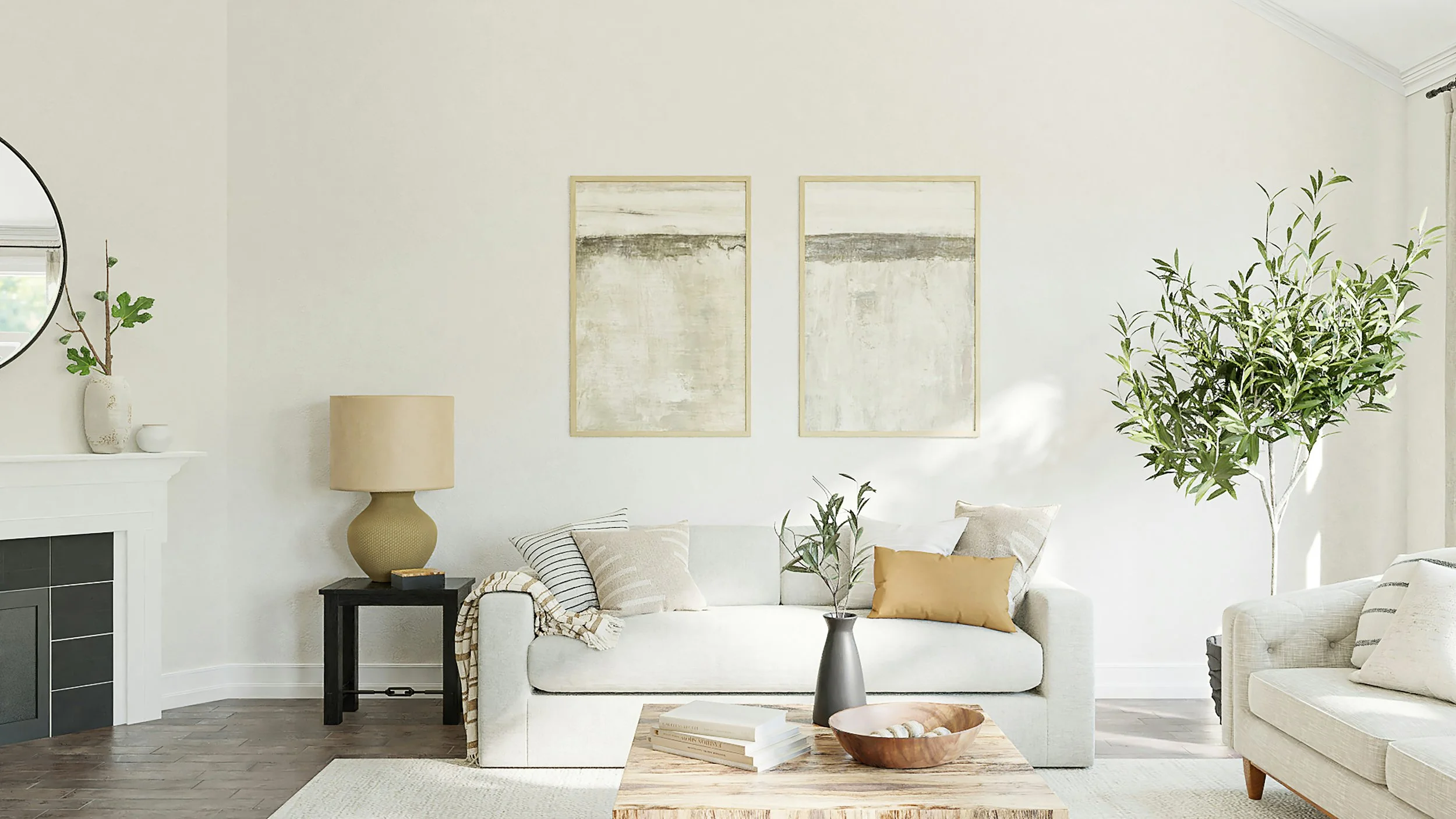
There’s a question every seller asks at some point, usually while staring at a quote for painting, styling and a skip bin: is any of this actually worth it, or am I just spending money to feel like I’m doing something?
It’s a fair question. And it has a real answer, backed by data rather than opinion. The short version: yes, staging works. But the more useful version of the answer is what kind of staging works, because the word covers a lot more ground than most people assume.
What Staging Actually Means
Ask most people what home staging is and they’ll describe a stylist rearranging furniture and adding a few cushions before the first open home. That’s part of it, but it’s the smallest and least impactful part.
The data on staging effectiveness almost never isolates furniture alone. It measures the full presentation of the home, which includes fresh paint, updated lighting, flooring condition, decluttering and repairs, alongside the furniture and styling layer that gets all the attention. When industry reports talk about “staged” homes outperforming “unstaged” ones, they’re describing homes that have had this full treatment, not just a rented lounge suite.
That distinction matters, because it changes where your money should go.
What the Data Actually Shows
The most current and widely cited figures come from the National Association of Realtors’ 2025 Profile of Home Staging, a survey of over 1,200 real estate professionals. A few numbers stand out.
Around 30% of agents reported that staging increased the dollar value buyers were willing to offer, with most of that uplift landing in the 1 to 10% range. On a $1.5 million Sydney home, even the low end of that range is a six-figure difference in what a buyer is prepared to pay.
Close to half of sellers’ agents reported that staged homes spent less time on market than comparable unstaged listings. That’s not a minor detail. Every extra week a property sits is a week of holding costs, and a week where buyers start quietly wondering why nobody else has made an offer yet.
Buyer-facing data tells a similar story from the other direction. The large majority of buyers’ agents report that staging changes how their clients emotionally respond to a home and makes it easier for them to picture themselves living there. Living rooms, primary bedrooms and kitchens are consistently the spaces buyers weigh most heavily, which lines up with where sellers get told to focus first.
None of this is subtle. The consistent finding, across multiple studies and multiple years, is that presentation changes buyer behaviour in ways that show up directly in the sale price and the time it takes to get there.
Where the Real Return Comes From
Here’s the part that gets missed in most conversations about staging: furniture and styling are the visible layer, but they’re not where most of the return comes from.
Paint
Fresh paint is consistently ranked as the single highest-return pre-sale investment available, and it isn’t close. It’s relatively inexpensive, it takes days rather than weeks, and it does something styling alone can’t: it resets a buyer’s read on how well the whole property has been maintained. A tired, marked wall doesn’t just look dated. It quietly tells a buyer that other things in the home might have been neglected too.
Lighting and Pendants
Lighting is one of the most underrated levers in pre-sale presentation. Dated fittings, yellowed switch plates and dim, uneven lighting make a home feel older and smaller than it is, no matter how well it’s furnished. Swapping tired pendants for something current, adding warmth where a room runs cold and making sure every space photographs well isn’t a large spend, but it changes the emotional temperature of a room in a way buyers notice immediately, even if they can’t say why.
Flooring
Worn carpet or scratched, dated flooring adds an instant mental deduction in a buyer’s head before they’ve even finished walking the room. Refinishing existing timber, or replacing tired flooring with a hybrid timber-look product, removes that deduction entirely and creates a sense of flow that makes the whole home feel larger and newer than it is.
Refreshing the Tired Spaces
Every home has one or two areas that have quietly fallen behind the rest of the property. A bathroom with dated grout. A kitchen with tired hardware and a splashback that’s seen better days. A hallway that hasn’t been touched since the home was built. These are rarely renovation-scale problems, but left alone, they’re exactly the kind of detail that makes a buyer start mentally listing everything else they’ll need to fix.
Targeted refreshes, new tapware, updated cabinet hardware, a splashback swap, regrouted tiles, close that gap for a fraction of what a full renovation would cost, and they’re often the difference between a buyer feeling confident and a buyer feeling cautious.
Furniture and Styling
This is where staging conversations usually start, and it’s still a genuinely important layer. Good styling helps buyers understand scale, shows a room’s purpose clearly and removes the slightly hollow, hard-to-read feeling of an empty or over-personalised home. But styling works best as the final layer on top of a property that’s already been painted, lit and refreshed properly. Beautiful furniture in a room with dated lighting and tired paint is still fighting an uphill battle.
So Does It Work?
Yes. The data is consistent and it isn’t marginal. Homes that are properly presented sell faster, attract more competitive offers and leave less money on the table than homes that go to market as-is.
But the sellers who get the strongest results aren’t the ones who spent the most on furniture hire. They’re the ones who treated presentation as the full picture: paint, lighting, flooring, the tired corners nobody talks about, and styling as the finishing touch rather than the whole plan.
How Property Launch Co Can Help
This is exactly why we don’t treat staging as a stand-alone service. We coordinate the full picture, painters, electricians for lighting and pendant upgrades, flooring installers, and the trades needed to refresh tired bathrooms and kitchens, then bring in styling once the property is actually ready to be styled. One point of contact, one coordinated plan, no guessing at where the budget will do the most good.
See how we prepare homes for sale or get in touch to talk through what your home needs.